Electrical loads from heating, cooking, and laundry equipment: what a service upgrade means for your home
Understanding the electrical load of major appliances
Modern homes rely on a handful of large appliances that draw significant electrical power. Heating systems, electric ranges, and laundry equipment each place a steady demand on your home's electrical panel. When these loads add up, they can push a service rating to its limit. For many homeowners, the result is flickering lights, tripped breakers, or the inability to add new appliances without an electrical service upgrade.
An electrical service upgrade increases the capacity of your home's main electrical system. It involves replacing or upgrading the service entrance equipment, including the electrical meter and main breaker, to handle a higher amperage. This process is not about fixing a single faulty outlet; it is about matching the total electrical demand of your house to the infrastructure that supplies it. One of the first steps an electrician takes is a load calculation, which measures the combined demand load of all the circuits in your home.
How heating equipment affects your electrical load
Electric heating systems are among the largest single loads in a home. Baseboard heaters, forced-air furnaces, and heat pumps all draw substantial current when they operate. Unlike a gas furnace that only uses electricity for the fan and controls, an all-electric heating system requires a dedicated appliance circuit with a high ampacity. During cold weather, these systems can run for hours, placing a sustained demand on the main breaker.
If your home has electric resistance heating, each zone may have its own circuit. When multiple zones run at once, the total load can exceed the service rating of a 100-amp or even a 150-amp panel. A load calculation helps determine whether your current panel can handle the heating load plus the rest of your home's electrical demands. If the calculation shows that the demand load is too high, a home panel upgrade becomes necessary. This phrase, home panel upgrade, refers to replacing the main electrical panel with one that has a higher amperage rating, often in conjunction with upgrading the service entrance cable and meter.
Cooking appliances and their power demands
Electric ranges and cooktops are another major contributor to total household load. A typical electric range uses a 40-amp or 50-amp circuit, and when multiple burners and the oven are on simultaneously, the draw can approach the circuit's limit. Induction cooktops are slightly more efficient, but they still require a dedicated circuit with a high rating. The key factor is not the nameplate rating of the appliance but the demand load that the electrical code assigns to it. For a single range, the code typically allows a demand factor that reduces the load slightly, but multiple cooking appliances or a large commercial-style range can push the total load upward.
When a kitchen is remodeled or a new range is installed, the existing circuit may not be adequate. An electrical service upgrade that increases the panel's amperage can provide the headroom needed for modern cooking equipment. It also allows the homeowner to add other high-draw appliances, such as a double oven or a warming drawer, without overloading the system.
Laundry equipment and its role in the load calculation
Laundry appliances are often overlooked in discussions about electrical capacity. An electric clothes dryer typically requires a 30-amp circuit, while a washer may need a 15-amp or 20-amp circuit. When both are running at the same time, they add about 45 amps to the total demand load. In a home with electric heating and cooking, that laundry load can be the tipping point that causes the main breaker to trip.
Many homes built before 2000 have 100-amp service, which may be sufficient for a house with gas heating and gas cooking. But as more homes switch to electric heat pumps and induction ranges, the combined load of heating, cooking, and laundry can exceed 100 amps. A professional load calculation will account for all of these appliances, using standard demand factors from the national electrical code. If the result is close to or above the service rating, a home panel upgrade is the practical solution.
What an electrical service upgrade involves
An electrical service upgrade is not a simple swap of the panel. It begins with a load calculation performed by a licensed electrician. The electrician measures the existing loads, reviews the appliance circuits, and determines the required amperage. If the upgrade is justified, the work includes replacing the main breaker, sometimes upgrading the service entrance cable, and possibly coordinating with the utility company to increase the size of the electrical meter. The panel itself is replaced with a larger unit that can accommodate more circuits and higher amperage.
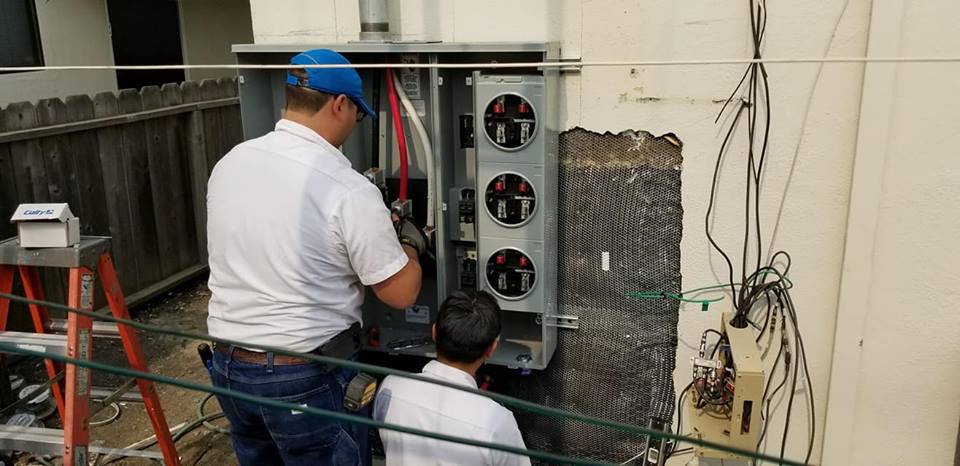
The process also involves updating the grounding and bonding to meet current code. Older panels may lack the proper grounding for modern appliances. An upgrade ensures that all circuits are protected by the correct overcurrent devices and that the system can safely handle the demand load.
What it means for the homeowner
For a homeowner, an electrical service upgrade provides peace of mind and flexibility. It eliminates the frustration of tripped breakers when the oven and dryer are running at the same time. It also opens the door to adding new appliances, such as a heat pump water heater or an electric vehicle charger, without worrying about overloading the panel. The upgrade is a long-term investment that supports a modern, electrified home.
The cost of an upgrade varies depending on the existing service rating, the required amperage, and the condition of the service entrance equipment. However, the alternative, living with a panel that is constantly at its limit, can lead to safety issues, reduced appliance performance, and the inability to use multiple appliances at once. For homes in the Bay Area, where older properties often have 100-amp service, an upgrade to 150 or 200 amps is a common solution.
Signs that your home may need an upgrade
Several indicators suggest that your electrical service may be undersized:
- The main breaker trips frequently when multiple appliances are running.
- Lights dim noticeably when the dryer or oven cycles on.
- You plan to add a major appliance, such as a heat pump or an electric vehicle charger.
- The panel is a 100-amp model and the home has electric heating, cooking, and laundry.
- A recent load calculation shows that the demand load exceeds 80% of the service rating.
If any of these describe your situation, consulting a licensed electrician for a load calculation is a good first step. The electrician can determine whether an upgrade is needed and what size panel will meet your needs. Remember that the fix is a job for a qualified professional; never attempt to replace a main breaker or upgrade the service entrance yourself.
Planning for the future
As homes become more electrified, the electrical load from heating, cooking, and laundry equipment will continue to grow. An electrical service upgrade that is sized appropriately today can accommodate future additions without another costly panel replacement. When you work with a licensed electrician, they can perform a load calculation that includes a margin for future loads, ensuring that the service rating is adequate for years to come.